Recycling and Sustainability for Landscaping Brentcross
 Landscaping Brentcross is built around practical sustainability, careful material use, and a recycling process that supports cleaner outdoor spaces from start to finish. Every project is planned with waste reduction in mind, from the first site clear-up to the final tidy. Our approach to Brentcross landscaping focuses on keeping reusable materials out of landfill wherever possible, while making sure green waste, timber, soil, and packaging are handled responsibly.
One of our key environmental goals is to maintain a recycling percentage target of 90% across suitable project waste streams. That means we aim to separate and divert the majority of excavation spoil, cuttings, branches, old edging, broken planters, and packaging materials into recovery routes rather than disposal. In practice, this requires careful sorting on site and well-organised transport to approved facilities. It also means choosing methods that reduce contamination, so more of the collected material can be processed again.
We work in line with the broader borough approach to waste separation, which places emphasis on keeping green waste, metals, rubble, wood, and general refuse apart. This supports better recovery outcomes and reduces the chance of recyclable loads being rejected. In a landscaping context, that can include separating soil from organic matter, collecting clean timber for reuse or recycling, and ensuring plastics from plant containers or wrapping are treated appropriately. These small steps make a meaningful difference across garden and grounds projects in Brentcross landscaping services.
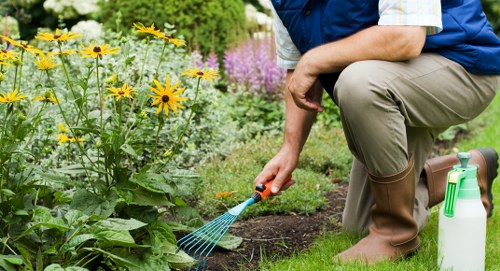 Local handling is another important part of our sustainability model. We use approved local transfer stations to reduce unnecessary travel and support efficient waste routing. By choosing facilities close to the project area, we can lower vehicle mileage and improve turnaround times for segregated loads. This is particularly helpful when dealing with bulky green waste, soil, and mixed clear-up materials that must be sorted before onward processing. Using nearby transfer options also helps minimise emissions linked to long-distance hauling.
Our team makes careful decisions about what can be recycled, repurposed, or sent for specialist treatment. Soil from certain excavation jobs may be screened and reused where suitable, while branches and hedge trimmings can be chipped into mulch or sent to composting pathways. Stone and hardcore can be managed separately from softer organic waste, making it easier for the receiving site to recover usable fractions. This kind of targeted waste separation is a practical part of responsible landscaping in Brentcross, especially on larger garden redesigns and maintenance programmes.
 We also support sustainability through partnerships with charities and community organisations. Usable materials such as plant pots, timber offcuts, decorative containers, surplus soil, and selected garden furniture may be directed to groups that can make use of them again. These partnerships help extend the life of items that would otherwise be discarded, while supporting local good causes and community projects. Where appropriate, plants in healthy condition can be rehomed, and clean materials can be donated for educational gardens, shared plots, or restoration work.
The transport side of the operation is improving too. Our low-carbon vans are selected to reduce fuel use and cut operational emissions, supporting a cleaner approach to site visits and material movement. These vehicles are ideal for carrying tools, small loads, and scheduled collections without the higher environmental impact associated with older, less efficient fleets. For a busy area like Brentcross, where multiple journeys can add up quickly, lower-emission vans are a practical way to make each landscaping service more sustainable.
In day-to-day work, we encourage smart loading and route planning so fewer journeys are needed overall. Consolidating collections, avoiding half-empty runs, and matching waste loads to the right transfer station all help reduce carbon output. This is especially useful when managing garden clearance, pruning waste, or repeated maintenance visits. Brentcross landscaping benefits from this joined-up thinking because it lowers the environmental footprint of the service while still maintaining reliable delivery and efficient site management.
Another area of focus is responsible material selection. Choosing durable, recyclable, or recycled-content products helps reduce future waste and supports a circular approach to outdoor design. Timber elements, edging, containers, and protective materials are reviewed with sustainability in mind before they are used on site. Where possible, we favour items that can be recovered at the end of their useful life, rather than materials that are difficult to separate or process. This philosophy shapes the wider recycling plan behind landscaping Brentcross.
 We also pay attention to local waste habits and council-led separation practices, because they influence how landscaping waste is prepared for collection and recovery. In many borough environments, residents are already used to sorting food waste, dry recycling, garden waste, and general rubbish into distinct streams, and that expectation carries through into professional site work. For our projects, that means keeping recyclable green waste clean, avoiding mixed contamination, and making sure items such as glass, metal fixings, and hard plastics are handled in the correct stream where relevant.
By following these principles, Landscaping Brentcross can deliver outdoor improvements with a lighter environmental impact. Recycling is not treated as an afterthought; it is part of the planning, labour, transport, and disposal process from the very beginning. From using local transfer stations to supporting charities and operating low-carbon vans, every stage is designed to cut waste and improve resource recovery. That approach benefits clients, local streets, and the wider environment alike.
 In the end, sustainability in Brentcross landscaping is about consistent, measurable habits rather than one-off gestures. A strong recycling target, careful separation of waste, better vehicle choices, and practical re-use partnerships all contribute to a more responsible service. Whether the task is pruning, clearance, soil removal, or a complete garden refresh, the same aim applies: recover what can be recovered, reuse what can be reused, and reduce what must be thrown away.